Playing Roblox on an older phone or computer often leads to lag, crashes, and low frame rates. When your device has limited RAM, the game struggles to load textures and keep up with physics calculations. This is why many users search for roblox settings 248 for low memory devices. This term refers to specific configuration tweaks designed to reduce memory usage and stabilize performance on weaker hardware. Getting these settings right matters because it can mean the difference between a playable game and a frozen screen.
What does the 248 configuration actually do?
The number 248 usually refers to a specific preset within community-made optimization tools or configuration files. It is not an official button inside the Roblox app. Instead, it modifies how the game engine prioritizes resources. On a low memory device, the system needs to clear cache faster and lower graphic fidelity to keep running. These tweaks adjust internal flags to limit how much video memory and RAM the client tries to use at once.
Users typically apply these changes when standard graphics settings do not help enough. If you have 4GB of RAM or less, standard settings might still be too heavy. Applying a optimized configuration can force the game to run in a more lightweight mode. For those interested in how these changes compare visually, you can review a graphics settings benchmark comparison to see the trade-offs between quality and speed.
When should you use low memory tweaks?
You should consider these adjustments if your device meets the minimum requirements but still performs poorly. Signs that you need this configuration include frequent stuttering during gameplay, long loading times, or the app closing unexpectedly. It is also useful if you play competitive modes where frame rate stability is more important than visual details. Players focused on ranking up often look for an optimal configuration for FPS tournaments to ensure input lag is minimized.
Developers testing their own games on older hardware might also use these profiles. They need to know how their creation performs on the lowest end devices. If you are building experiences, check out performance tweaks for developers to understand how optimization affects gameplay mechanics.
Common mistakes when changing settings
Many players download unknown software to apply these numbers quickly. This is risky. Unverified executables can contain malware or steal account information. Always verify the source of any tool before running it. Another mistake is changing too many values at once. If you alter multiple configuration files and the game breaks, you will not know which change caused the issue.
Sometimes, applying these tweaks causes visual glitches or missing textures. If the game starts behaving strangely after a change, you need to revert the settings. We have a guide on troubleshooting with third-party tools that explains how to reset your configuration safely.
Practical tips for better performance
Beyond specific configuration numbers, there are manual steps you can take to help low memory devices. Close any other apps running in the background before launching the game. Browsers and chat apps eat up RAM that Roblox needs. Lower the graphics mode to Manual within the game settings and set the graphics level to 1 or 2.
Keep your device updated. Operating system updates often include memory management improvements. You can check the official Roblox System Requirements page to ensure your hardware is still supported. If your device is very old, no setting will fix hardware limitations completely.
Next steps for optimization
Start by testing the game with standard low settings before applying any external configs. This gives you a baseline to compare against. If you decide to use the 248 configuration, do it one step at a time. Monitor your frame rate and stability after each change.
- Close all background applications to free up RAM.
- Set in-game graphics mode to Manual and lower the slider.
- Verify any tool you download with antivirus software.
- Reset settings immediately if you see visual corruption.
- Compare performance before and after using a benchmark tool.
Focus on stability over high numbers. A steady 30 FPS is better than 60 FPS that drops to 10 during combat. If your device continues to struggle, it may be time to consider hardware upgrades or playing on a cloud gaming service if available.
 Fixing Roblox Error 248 with External Tools
 Advanced Roblox Performance Tweaks for Developers
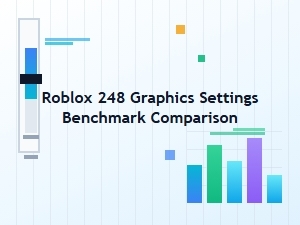 Roblox Graphics Benchmarks: 248 vs 256 Performance
 Fine-Tuning Roblox Fps for Tournament Play
 Understanding Roblox Parental Control Settings
 Roblox Privacy Settings: 247 vs 248 Explained